

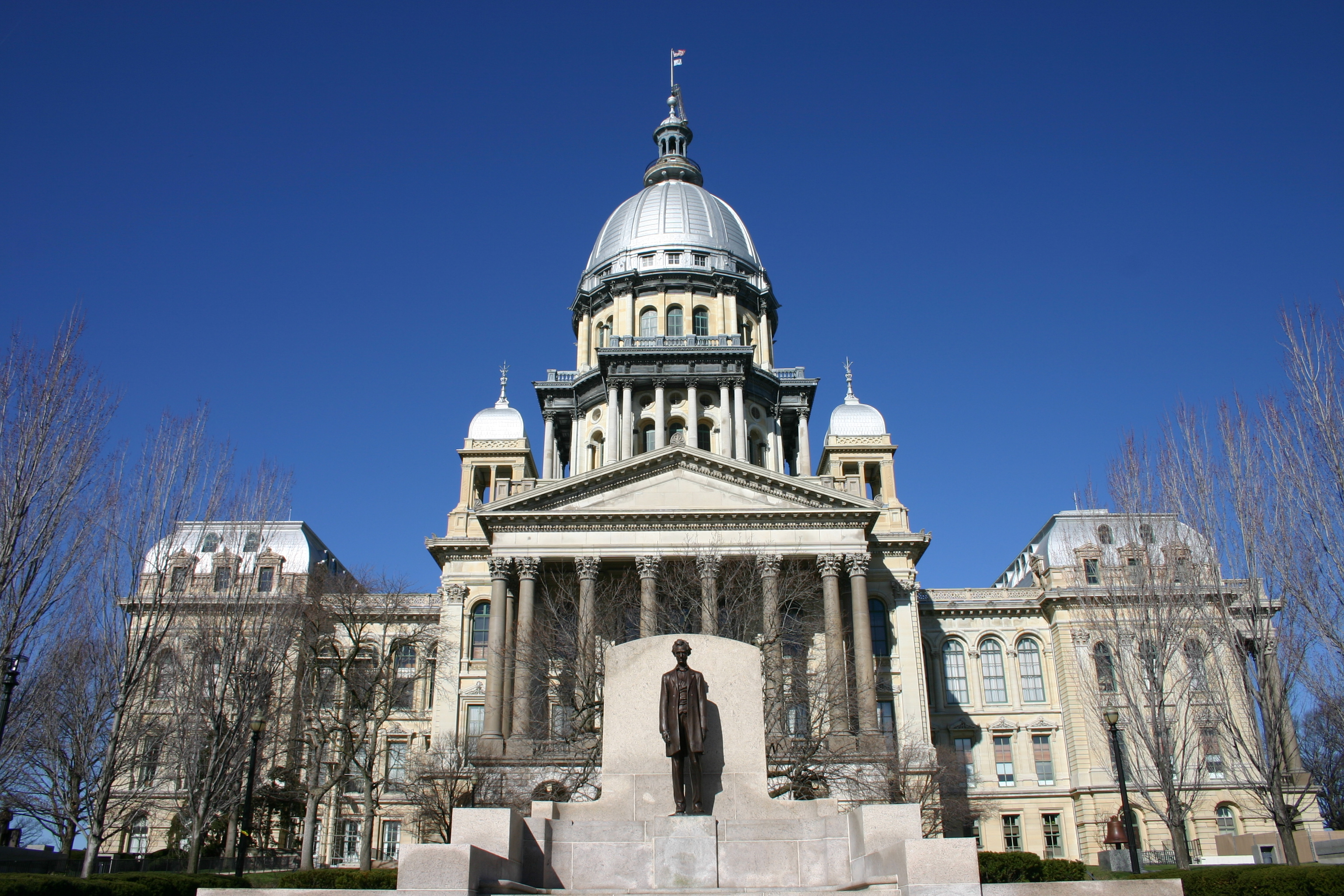
Lawmakers in Springfield took a step forward Wednesday to keeping the Bears in Illinois, but it appears the legislation still has a ways to go.
The bill passed out of a House committee Wednesday and could even get a full vote, but the Senate isn’t feeling a sense of urgency regarding the legislation.
“We will work this bill like any other bill. We feel no pressure to take a vote next week,” the bill’s lead Senate sponsor State Sen. Bill Cunningham told NBC Chicago’s Mary Ann Ahern.
The megaprojects bill, which would allow the Bears to negotiate property tax payments directly with the Village of Arlington Heights, passed out of a House committee Wednesday, sending it to the full Illinois House. Even if the House passes the legislation, it still has to pass the Senate and be signed by Gov. JB Pritzker to become law.
The Governor’s Office told NBC Chicago it was still reviewing the amended version of the bill.
Big obstacles in the stadium saga have been how to appease Chicago Democrats who don’t want the Bears to leave the city, and how to guarantee the tax burden won’t shift from the team to taxpayers. Some changes were made in recent days to appease lawmakers and groups that weren’t on board.
“This is about making Illinois competitive, but it’s also about making Illinois competitive in a way that keeps people at the center and the focus of this. We are using this tool to create some property tax relief for people, which I think is a big deal,” said the bill’s House sponsor, State Rep. Kam Buckner, D-Chicago.
So, what’s in the bill?
As part of the amended bill, when the team makes a payment to Arlington Heights, half would go toward property tax relief. That tax relief would be split two ways: 60 percent would go toward rebates for homeowners who live near the stadium and the other 40 percent would go toward the state’s property tax relief fund.
A taxpayer watchdog group is concerned about the effects the legislation will have on people outside of the stadium area.
“It can shift hundreds of millions of dollars in property tax burdens onto surrounding communities, and that’s unacceptable. That burden has not really been talked about a lot. We’re trying to get changes to the bill to protect taxpayers. We’d love it if the Bears stayed in Illinois, but not at the expense of other taxpayers,” said Brian Costin, the deputy state director of Americans for Prosperity in Illinois.
The legislation is not specifically geared toward the Chicago Bears and could also be used for other big projects. Specifically, it could give property tax breaks for developers who transform old railyards, like one in the South Loop that could include a new White Sox stadium.
There had been questions about whether data centers would be able to get tax breaks under the bill, but lawmakers also made sure that won’t happen with the language of the bill.

