

There’s nothing worse than shelling out top dollar for your weekly groceries only to toss some of the items a few days later because they’ve already started to spoil.
Luckily, some simple food storage tricks can help extend the shelf life of your groceries and save you money along the way.
NBC News’ Vicky Nguyen spoke with Consumer Reports Deputy Home Editor Paul Hope to learn more about the food storage methods we should all be following. Below, we’re outlining some of his top tips.
Why is proper food storage so important?
Grocery prices have been consistently rising for quite some time, with no real relief in sight. That makes it even more painful to hear this staggering statistic from the U.S. Department of Agriculture: The average household throws away more than 100 pounds of spoiled food every year, amounting to nearly $3,000 dollars in groceries.
With this in mind, proper food storage becomes even more important since it can maximize the value of your groceries and help prevent dreaded food waste.
How to store food properly in the fridge
Want to avoid food waste? Hope has one simple trick.
“One of the easiest things you can do is just use your refrigerator the right way,” he told Nguyen.
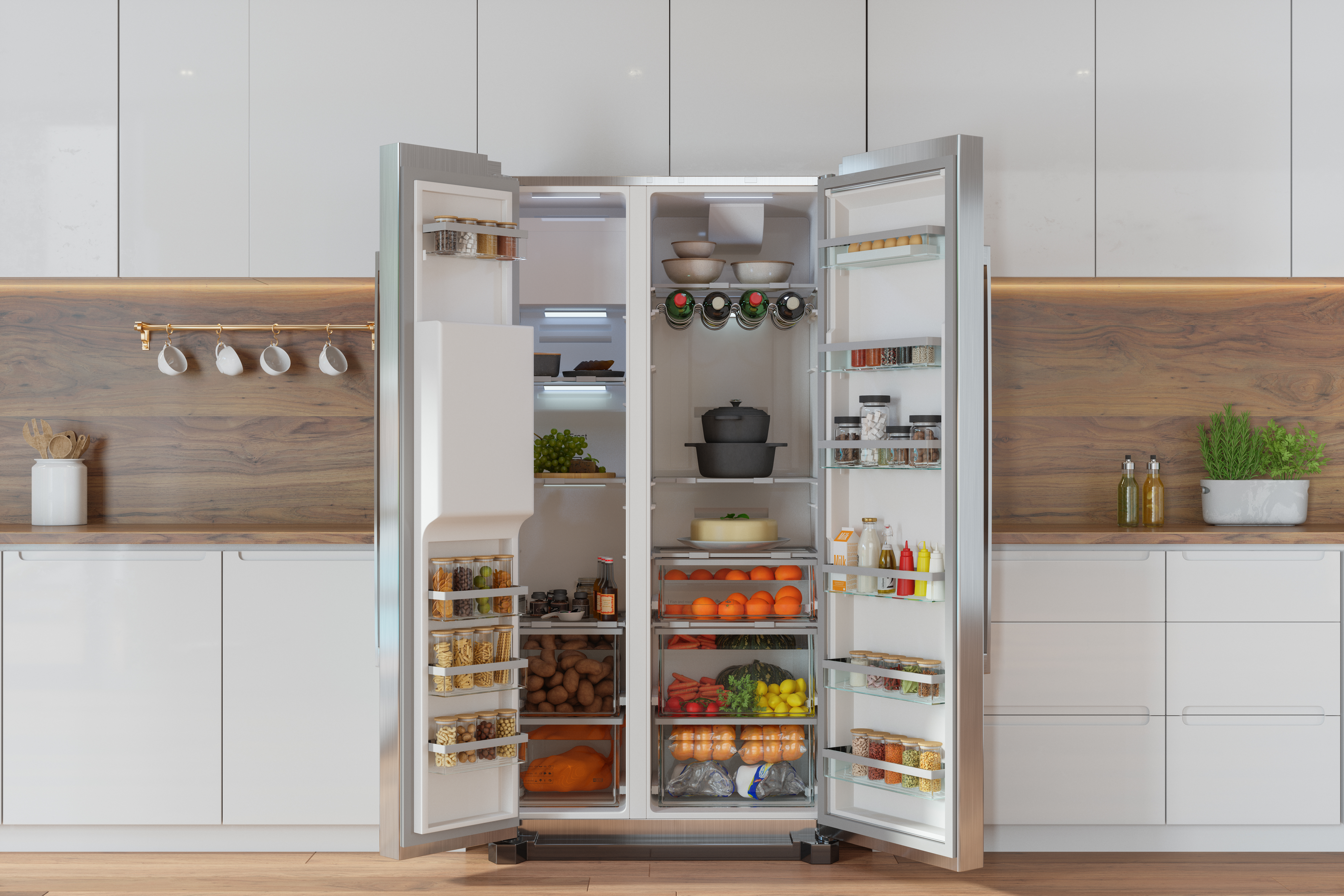
Knowing which shelves to use for different foods can help ensure that your groceries don’t spoil quickly.
Bottom shelf
Hope said the bottom shelf tends to have the coldest temperatures, which makes it ideal for the following items:
- Milk
- Eggs
- Fresh meat
- Poultry
“They can withstand really low fridge temps. And it’ll actually help them stay fresh longer,” Hope said.
Middle shelf
Since the middle shelf has medium temperatures, it’s best for extending the life of items like fruit.
Top shelf
The top shelf and door pockets are the warmest spots in the fridge, making them ideal for the following stable foods:
- Butter
- Condiments
- Peanut Butter
- Jelly
- Yogurt
If the last item surprises you, you’re not alone. But Hope explained that yogurt is totally safe in warmer environments.
“Yogurt is fermented. So it’s actually safer at a slightly warmer temperature than things like eggs or milk,” he said.
Deli bin
Hope noted that the deli bin is great for the following items since it’s a bit cooler:
- Sandwich meat
- Bacon
- Cheese
Crisper bin
The crisper bin can be set to high humidity to prolong the freshness of produce like leafy greens.
How to keep your fruits and vegetables fresh
Fruits and veggies can be particularly expensive, especially when they’re out of season. To make sure you’re getting your money’s worth, Hope shared the following tips.
Make sure to separate fruits and vegetables
If you’re currently tossing your fruits and veggies into the same bin in your fridge, you’ll want to find separate spots for them.
“Fruits and veggies should typically be stored separately from one another. A lot of fruits produce ethylene gas, which can actually make leafy greens in particular go bad faster,” Hope explained.
For instance, potatoes should be kept in a dark drawer outside of the fridge and shouldn’t be stored with garlic or onions.
“If you’ve ever gotten those green shoots growing out of your onions or those little eyes that grow out of potatoes, they’re going bad prematurely, in many cases, because they’re being stored too close to one another,” Hope said.
Don’t rinse produce before storing it
Resist the temptation to clean your produce before putting it in the fridge.
“When you store them wet, they’re gonna have that moisture trapped against them. That causes them to go bad prematurely. It can also cause them to freeze, because you’re adding that excess water,” Hope said.
Not all fruits and veggies are created equally
If you think you can store all fruits the same way, think again. Strawberries, for instance, tend to last longer if you remove the stems and store them in a towel-lined, sealed container.
Meanwhile, bananas and tomatoes stay fresher out of the fridge.
Don’t put your bread and coffee in the fridge
Bread is best stored out of the fridge.
Despite myths that state otherwise, coffee is also better off in more temperate environments.
“Inside the fridge, it’s gonna be able to absorb all those odors and flavors from everything else that’s stored in the fridge too. It’s not something you want when you actually go to brew it,” Hope said.
How to navigate sell by and use by dates
If you always toss an item when it’s past its Sell By or Use By date, you might be inadvertently wasting money.
“You wanna try to have things within a few days of the Sell By date, typically, but there’s no hard and fast rule. Go ahead and smell it. There’s actually some validity to the smell test. Many foods will stay fresh or good long after a Sell By date, or in some cases, even a Use By date,” Hope said.
To extend the freshness of risky foods like ground beef, cook it first.
“If you cook ground beef or other foods like that, you’ll buy yourself another few days after the Use By date, once you’ve cooked it,” Hope said.
If you don’t cook it, freeze it.
This story first appeared on TODAY.com. More from TODAY:

