

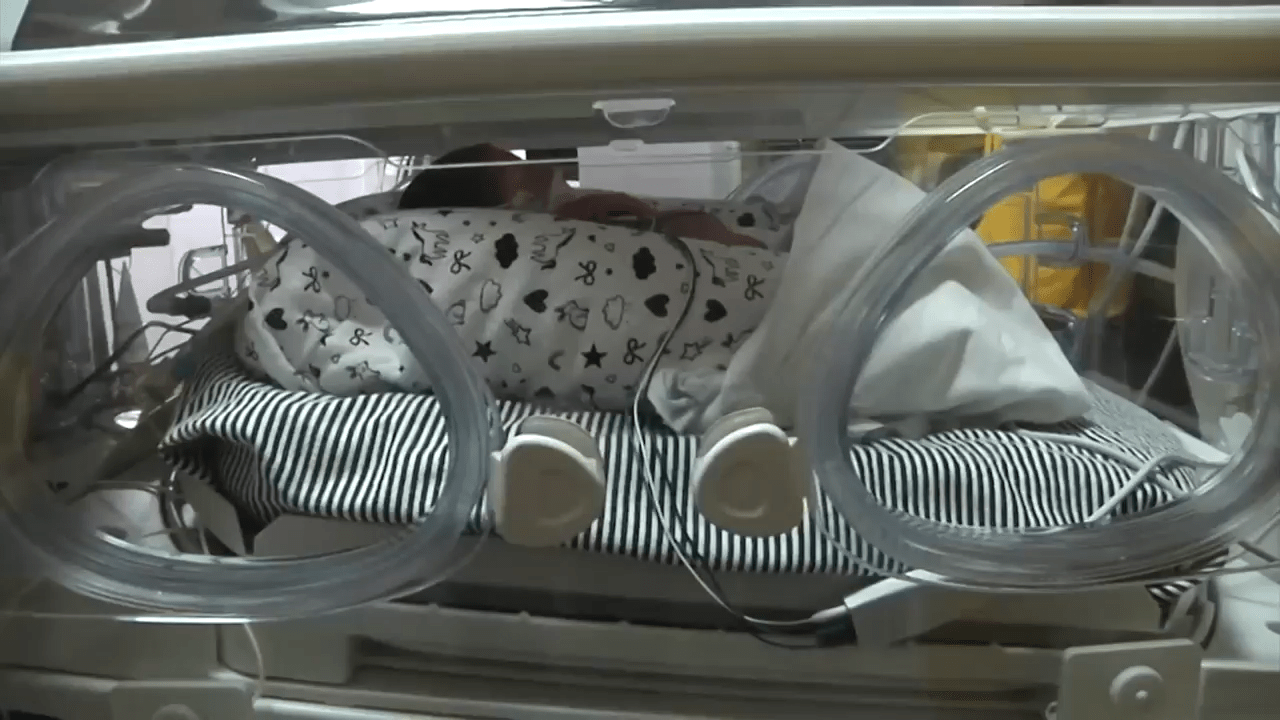
Cases of a highly contagious virus, that’s especially dangerous for babies, is spreading across the country, according to data from the Centers for Disease Control and Prevention.
Rotavirus has been rising across the U.S. since January, the CDC’s virus surveillance tracker showed.
The seasonal virus is most common in infants and young children, with symptoms like severe watery diarrhea, vomiting and fever.
Individual rotavirus cases are not reportable in Illinois, meaning hospitals aren’t required to track cases, and no outbreaks have been reported so far in 2026.
However, the University of Chicago’s Comer Children’s Hospital said it has seen a significant increase in viral gastroenteritis cases, which would include rotavirus.
Beth Rich from suburban Deerfield chose to vaccinate her 2-month-old son against rotavirus, but is still making changes to her family’s summer travel plans as a precaution as vaccine hesitancy grows.
“Until he’s has more of his vaccines under his belt, we probably won’t do a lot of like airport travel,” said Rich. “It’s scary to think that other people in our orbit might be changing their minds and might be exposing our kids to more.”
The Rich family pediatrician, Dr. Dimple Damani, said people are getting mixed messages.
In January, the CDC shifted the rotavirus vaccine from a universal recommendation to “shared clinical decision-making,” meaning it’s up to providers and patients to decide on whether or not to get the vaccine, rather than a blanket recommendation.
“It’s really just confusion from the federal government and mixed messages that are making people have second thoughts about some of these vaccines,” Dimple, a pediatrician at PediaTrust, said. “If you don’t see your pediatrician as a trusted source, and you are hesitant to ask them questions, then you might be doing your own research and not getting the information that is based on sound, scientific data.”
Illinois did not adopt the updated federal guidelines, instead choosing to embrace the American Academy of Pediatrics’ vaccine schedule.
“Amid ongoing federal changes to vaccine guidance that are not backed by strong scientific evidence, the endorsement aims to provide clarity and consistency to Illinois residents and health care providers,” a press release from the governor’s office reads.
Rotavirus symptoms include diarrhea, vomiting and fever, and the virus can lead to severe dehydration in infants and children.
Before the vaccine, which was first approved 20 years ago, the virus was responsible for hundreds of thousands of hospitalizations every year.
Dr. Tyler Evans, the cofounder of Wellness Equity Alliance, a multi-state public health organization said the updated federal guidelines “move the burden of vaccination from the system to individual parents,” and marginalized groups are the most at risk.
“You need the medical provider to have the time to be able to explain that, and when you’re in, for example, a busy, federally qualified health center or safety net hospital, and you’re seeing 20 to 30 patients a day, it’s very hard to kind of sit down and actually do that,” Evans said.
He and other experts are concerned declining vaccination rates will lead to more hospitalizations in the future.
“Prior to the pandemic, the rates of vaccination for rotavirus were getting closer to around 80%. [The year] 2018 was around 77-78%. Now, it’s dipping into the the low 70s, as of recently,” Evans said.

