

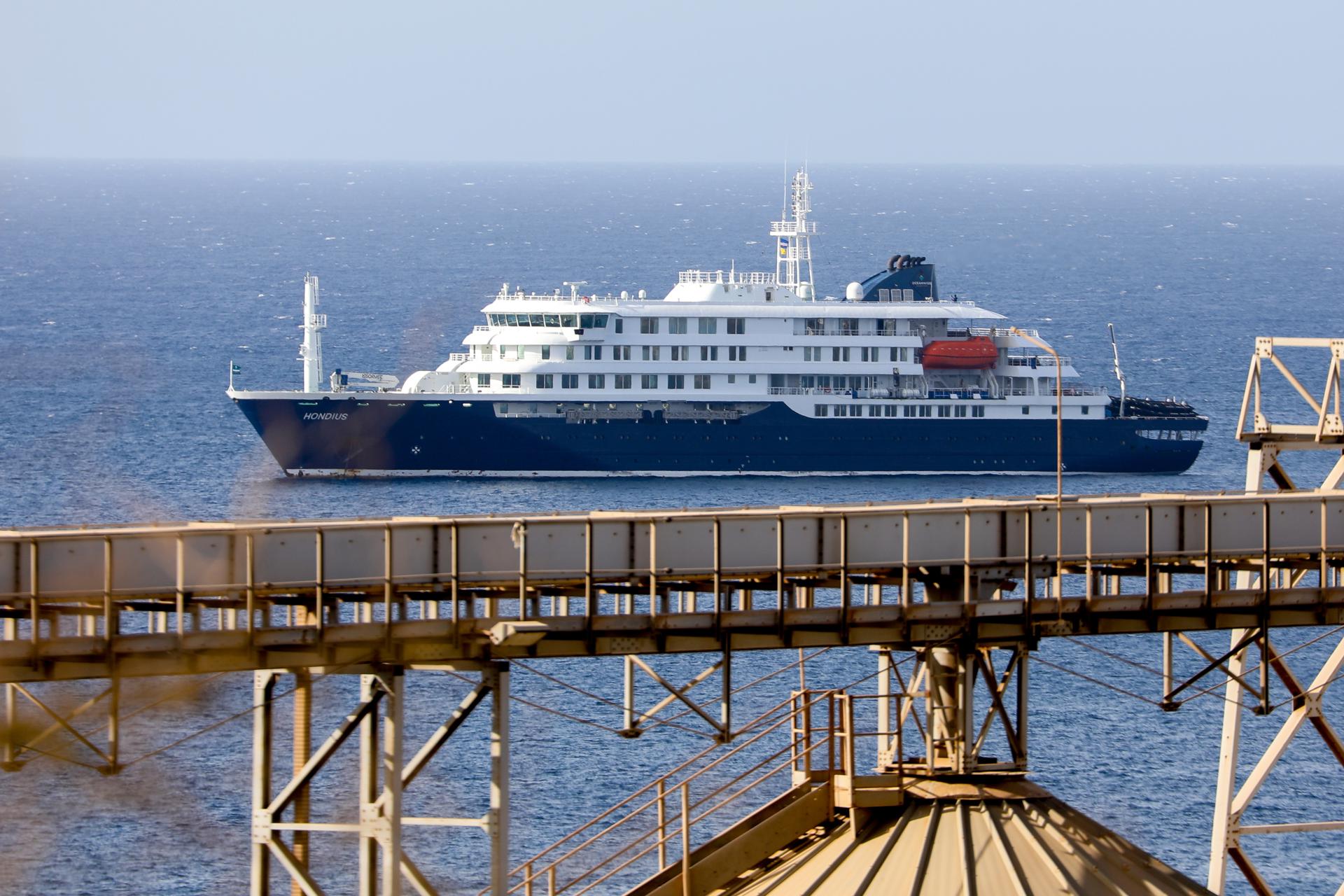
Following an outbreak of hantavirus aboard a cruise ship – a rare, rodent-borne illness that has left three people dead and sickened others – the World Health Organization said the risk to the global population remains low.
In the United States, hantavirus cases were especially rare, though health officials noted they could cause serious illness. One disease, hantavirus pulmonary syndrome, proves fatal in about 35% of those infected.
Doctors insist early intervention is critical.
Dr. Alfredo Mena Lora, clinical department chair of medicine at Saint Anthony Hospital, said the earlier patients get support, the better – particularly if they are connected to hantavirus cases or suspicion is high.
As the cruise ship outbreak prompts questions around the world, here’s what you need to know about the disease, including its incubation period, prevalence in the U.S. and symptoms.
The virus is spread by rodents and, more rarely, people
Hantavirus typically spreads from a reservoir animal through urine or feces, which can then be inhaled or contaminate a person.
People are typically exposed to hantavirus around their homes, cabins or sheds, especially when cleaning out enclosed spaces with little ventilation or exploring areas where there are mouse droppings.
“It’s very rare and not as transmissible as some of the other viruses that we’ve talked about over the years, like COVID-19 or influenza,” Mena Lora said.
The WHO says that while it rarely happens, hantaviruses can also spread directly between people.
There are two main types of hantaviruses: the strain found in the United States is called the Sin Nombre virus. Another form, the Andes virus, is believed to be connected to the cruise ship outbreak.
The Andes virus is endemic to Argentina and Chile and does have the ability to transmit person-to-person, said Steven Bradfute, an associate professor and associate director of the Center for Global Health at the University of New Mexico Health Sciences Center, which specializes in hantavirus research.
The Andes virus is typically contained because it would spread only through close contact, such as sharing a bed or sharing food, he said.
Hantavirus cases in the US and beyond
Hantavirus infections are relatively uncommon globally. The WHO reported that in 2025 eight countries within the Americas had documented 229 cases and 59 deaths. In Argentina, the health ministry said hantavirus led to 28 deaths nationwide last year.
Mena Lora roughly 20 cases occur in the U.S. each year.
Federal health officials began tracking the virus after a 1993 outbreak in the Four Corners region — the area where Arizona, Colorado, New Mexico and Utah meet. It was an astute physician with the Indian Health Service who first noticed a pattern of deaths among young patients.
Most U.S. cases are in Western states. New Mexico and Arizona are hot spots, likely because the odds are greater for mouse-human encounters in rural areas.
Mena Lora said while the virus can emerge in cities, it’s typically found in rural areas.
He said animals associated with the virus are found in prairies and other environments typically not liked to urban life, but noted anything is possible.
Symptoms
An infection can rapidly progress and become life-threatening. Experts say it can start with symptoms that include a fever, chills, muscle aches and maybe a headache — much like the flu would feel.
Symptoms of hantavirus pulmonary syndrome usually show between one and eight weeks after contact with an infected rodent. As the infection progresses, patients might experience tightness in the chest, as the lungs fill with fluid.
The other syndrome caused by hantavirus — known as hemorrhagic fever with renal syndrome, which can cause bleeding, high fever, and kidney failure — usually develops within a week or two after exposure.
Death rates vary by which hantavirus causes the illness. Hantavirus pulmonary syndrome is fatal in about 35% of people infected, while the death rate for hemorrhagic fever with renal syndrome varies from 1% to 15% of patients, according to the CDC.
Cruise ship outbreak latest: What’s next?
As of Monday, evacuation plans remain unclear.
The ship had requested help from local health authorities after making its way to the island of Cape Verde, off the West Africa coast. But no one was allowed to disembark, Netherlands-based operator Oceanwide Expeditions said.
One passenger, Qasem Elhato, 31, said passengers were wearing masks and social distancing — practices that became hallmarks of the COVID-19 pandemic. Ship operator Oceanwide Expeditions said it had implemented its highest level of response, with isolation measures, hygiene protocols and medical monitoring.
Mena Lora said the incubation period can last weeks.
Given the timeline, a decision will be made over whether those onboard will be quarantined.
He said the incubation period could even last as long as a month or two, so officials can ensure people don’t develop symptoms before returning to the community.
A lot of unknowns about the illness and treatment
There is no specific treatment or cure, but early medical attention can increase the chance of survival.
Mena Lora said most of the focus is on supportive care.
“So you want to make sure you’re in contact with health care, so you are supported and not wait until you are fully unable to breathe,” he said. “So that is the progression – you go from just kind of somewhat generic respiratory viral symptoms and and GI distress to more specific respiratory distress.”
Despite years of research, many questions have yet to be answered, including why it can be mild for some people and severe for others and how antibodies are developed. Some researchers have been following patients over long periods of time in hopes of finding a treatment.
“In the Americas, hantavirus infection is very serious, but it’s also quite rare,” Bradfute said. “And so for a time that probably led to less research into it because of funding priorities, but I know there’s been a lot of interest in funding hantavirus work of late.”

