

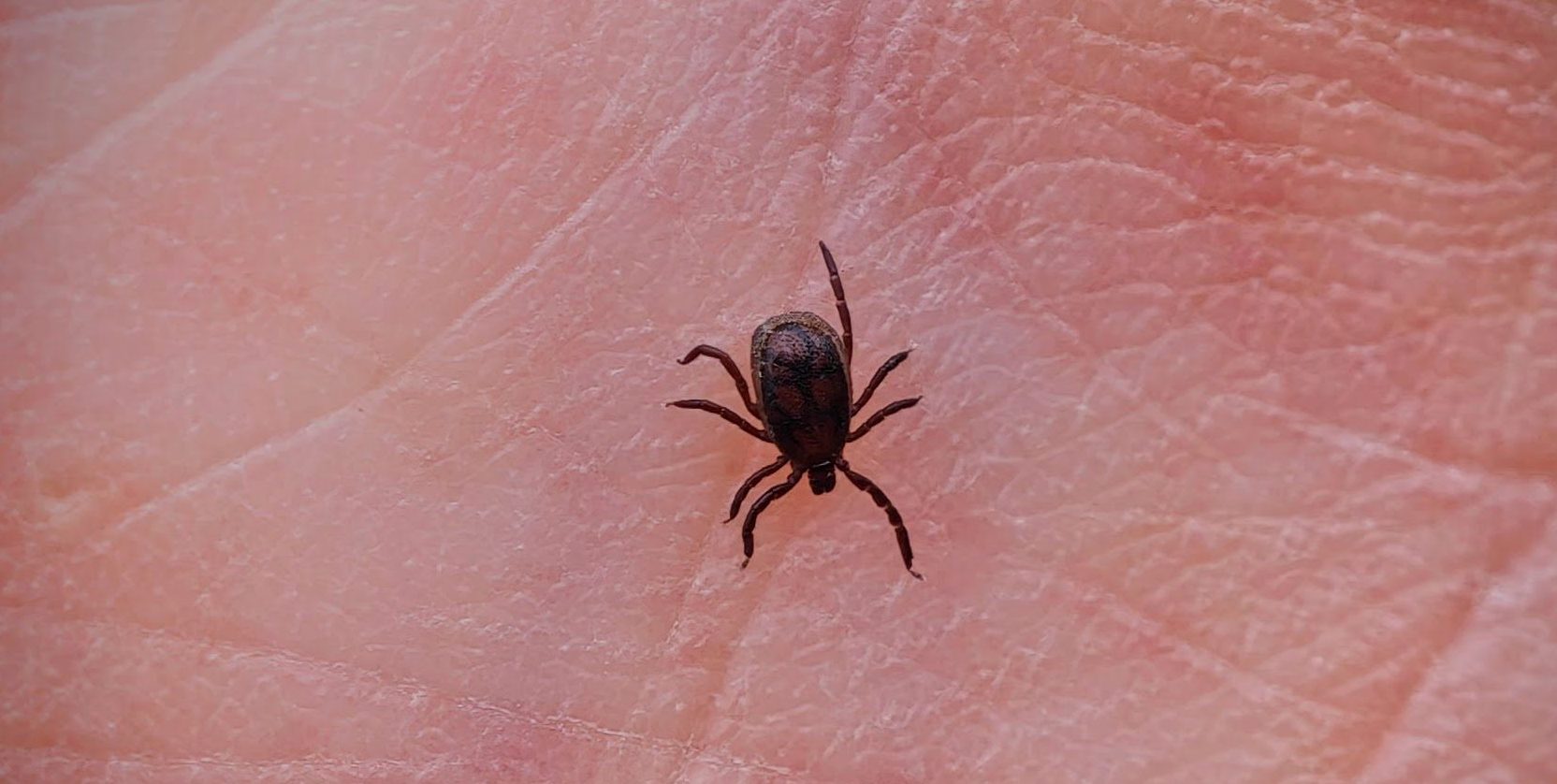
While tick bites are often associated with Lyme disease, they can also lead to a less commonly known condition: Alpha-gal syndrome.
The Illinois Department of Public Health recently highlighted AGS, also known as red meat allergy or tick bite meat allergy. The condition occurs after some tick bites, when the body becomes allergic to a molecule called alpha-gal – a sugar produced in the bodies of most mammals – but not in people. It can be transmitted through the saliva of some ticks.
More than 110,000 suspected cases of AGS were identified between 2010 and 2022, according to the Centers for Disease Control and Prevention. But because the agency isn’t regularly notified about cases, as many as 450,000 people may be affected.
According to IDPH, AGS has been increasingly recognized across the country, and cases have been reported in Illinois, although a number hasn’t been provided. The condition is typically associated with the bite of a lone star tick, which are most often found in the South, East and Central parts of the country.
People with AGS might not react to every product containing alpha-gal, and symptoms can vary each time a person is exposed.
Anyone who suspects they may have alpha-gal syndrome should contact a health care provider, who can perform an evaluation through a physical examination, a review of patient history and conduct a blood test to detect antibodies produced in response to alpha-gal.
Health officials say the best way to reduce the risk of the syndrome is the same for preventing other tick bites: using EPA-registered insect repellent, avoiding tall grass and brush and checking for ticks after spending time outdoors.

