

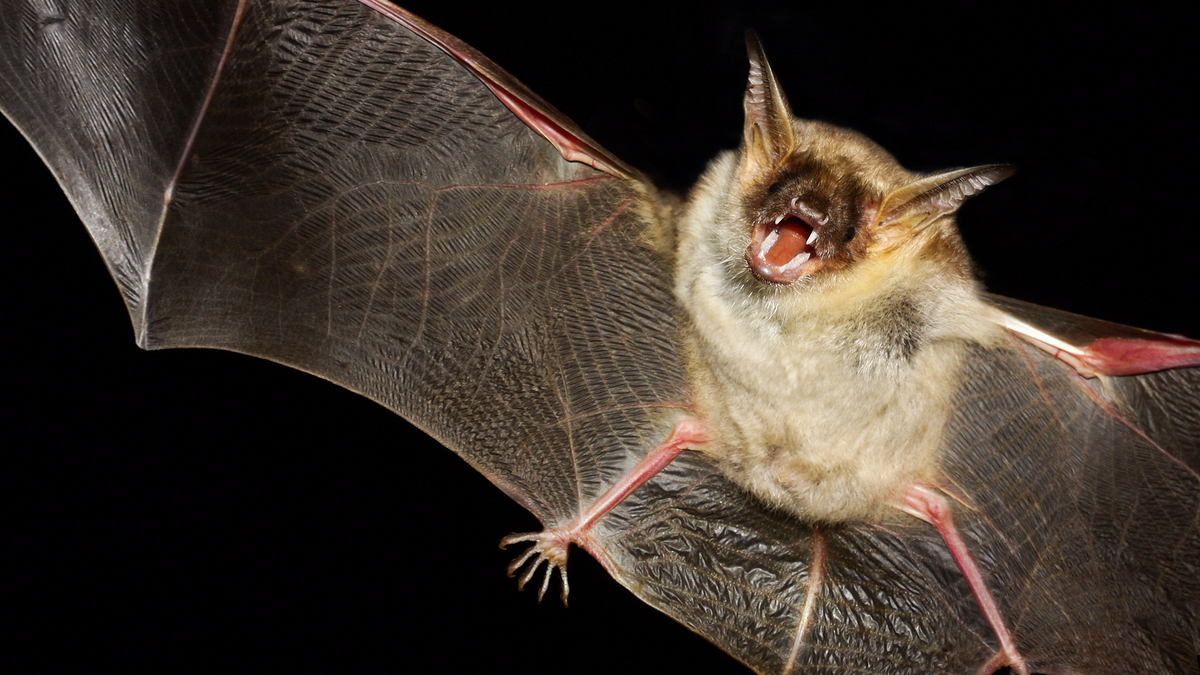
A McHenry County resident was treated for rabies exposure after finding a rabid bat inside their home, marking the first of the season for the suburban county, authorities said.
The resident who found the bat inside their home was treated with rabies post-exposure prophylaxis (PEP), as is recommended following an exposure, according to the McHenry County Department of Health.
The bat was collected by animal control and submitted to a lab for testing, MCDH said. The bat tested positive for rabies, marking a first of the 2026 season for the county.
“Bats play an important role in the northern Illinois ecosystem and are most active from late spring through summer,” MCDH said in a statement. “Bats roosting outdoors in trees, barns, or bat houses are behaving normally and should be left undisturbed.”
While not all bats carry rabies, bats that are active during the day, found in unusual locations (like inside of homes), or are unable to fly may be sick and should be treated as a potential risk, MCHD said.
Though rabies is a deadly disease, it is preventable. Bite and scratch marks from bats can be very small and easily missed, so Illinoisians should ensure their pets’ rabies vaccinations are up to date, avoid direct contact with bats and take steps to bat-proof their homes, officials said.
The following steps can help ensure bats do not make their way into your home:
- Sealing cracks and gaps around utility lines,
- Ensuring doors, windows, and vents have secure, hole-free screens,
- Capping chimneys
Anyone with recurring bat issues should contact an Illinois Department of Natural Resources-licensed Nuisance Wildlife Control Operator (NWCO) for help finding entry points and safe removal of the bats, officials said. There are also restrictions on when permanent exclusion of bats from attics, barns and other non-livable areas can occur during the year to protect roosting bats and their babies under the Illinois Wildlife Code.
If you find a bat inside your house, officials recommend taking the following steps:
- Do NOT touch it with your bare hands
- Confine the bat by closing the door to the room and sealing any gaps with a towel. If it is in an open area, confine it with an upside-down bucket or container if possible.
- Call Animal Control immediately to arrange a collection and potential testing of the bat
- Do not freeze or damage the head of the bat as it must be in good condition and either alive or recently killed to be tested for rabies.

