

It was a long week in Springfield for Illinois lawmakers, with mixed results amid a flurry of legislative maneuvering to end the spring session.
Illinois residents and companies will see some new taxes and regulations amid the legislation passed at the conclusion of the session, but perhaps more notable are the things that didn’t get done, including the failure to pass a bill aimed at keeping the Chicago Bears in the state of Illinois.
While Indiana lawmakers passed a bill earlier this year aimed at luring the Bears to Hammond, Illinois lawmakers tried and failed to pass a so-called PILOT (payment in lieu of taxes) bill, then saw a measure that would have allowed Arlington Heights to create their own stadium construction authority die in the House at the conclusion of the session.
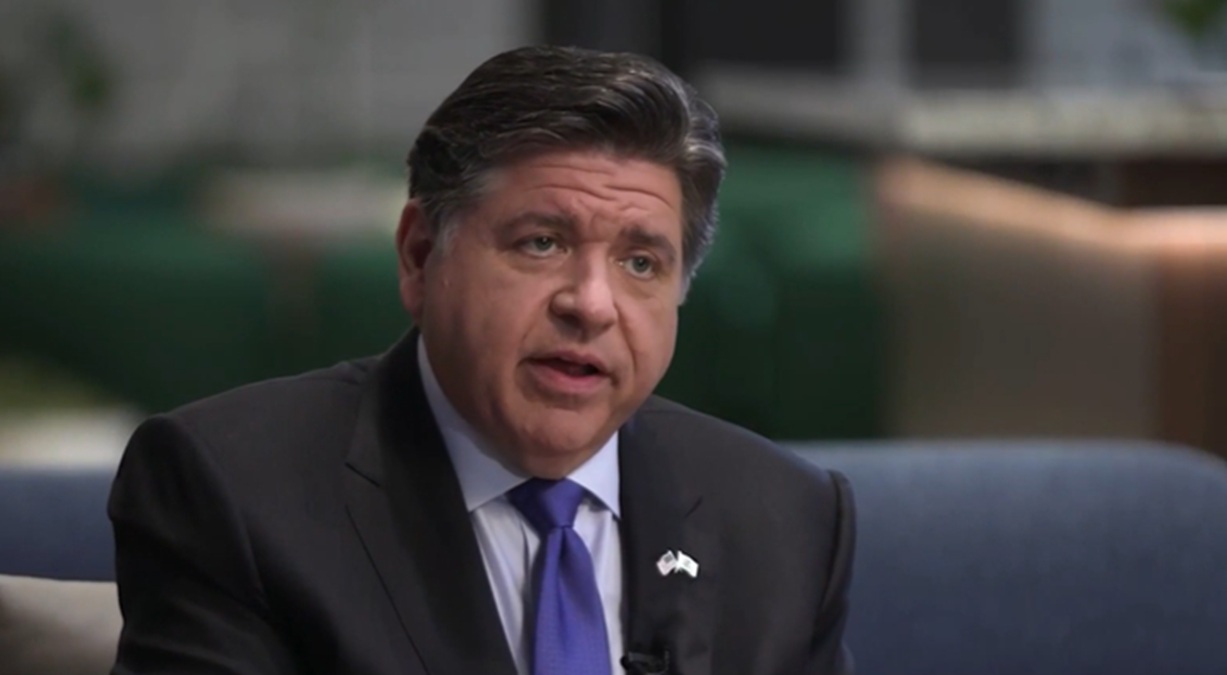
Illinois Gov. JB Pritzker discussed the failure of the plan, which came together Sunday before sputtering out.
“I don’t want the Bears to leave Illinois,” Pritzker said. “It might be during my term in office, if they decide to go to (Indiana), but if they decide to, and they’re building a stadium somewhere else, that might happen.”
Illinois House Speaker Emanuel “Chris” Welch says his chamber needs more time to analyze what’s in the bill, which would have allowed cities like Arlington Heights to agree to the deals required for construction of a new stadium, and what such a bill would mean for taxpayers.
Hours after the midnight deadline passed, the FY2027 Illinois budget now heads to Gov. JB Pritzker’s desk.
“These things take time,” Welch said. “In the final hours of the session, the votes weren’t there and we’re going to continue to have those conversations to find out what the specific issues are, and we’ll get there.”
While a lot of the focus is on the Bears’ legislation, Pritzker said he and Illinois legislative leaders protected taxpayers in the $56 billion state budget. While new spending was cut down a bit from previous years, the budget was balanced with the help of nearly $800 million in new taxes and fees, according to the revenue legislation passed in the waning hours of the session.
“Illinois now finds itself in its strongest financial position in decades,” Pritzker told reporters at a morning press conference at the State Capitol, just hours after lawmakers had gaveled out.
Among the new taxes will be a new levy on revenues from “targeted advertising services”, as well as a new licensing structure for fantasy sports operators.
A new tax on social media companies was also part of the budget, with companies charged a per-user fee, according to lawmakers.
Illinois residents will also receive some relief in the form of a pause on the automatic increase in the state’s gasoline and diesel fuel tax, which had been set to go into effect on July 1, saving residents roughly 1.5 cents per gallon.
Despite a last-ditch bill aimed at keeping the Bears in Illinois passed by the Senate, the House did not take up a vote, and the overtime session adjourned.
The state’s “back to school” sales tax holiday will also return this year, running from August 7-16 according to officials.
Republican lawmakers criticized the budget, arguing that spending has soared by more than 40% over the eight years of Pritzker’s administration.
“A spending spree like this has to be put in check. We need systemic reforms if we’re going to attract investment in Illinois,” said Senate Republican Leader John Curran.
Still, some groups were left frustrated with other laws that didn’t pass the legislature. Proposed regulations on new data centers were not passed, which could have included protections on water and electricity usage and rates, along with a proposed pause on current tax incentives.
Pritzker’s proposed “BUILD Act,” which would have aimed to increase housing supplies across the state, also ran into opposition on multiple fronts and was not put up for a vote in the waning hours of the session.
According to Illinois lawmakers, there aren’t plans for a special session to tackle some of those projects, meaning that the current plan is to bring the General Assembly back into session for the late-fall veto session.

